Most people do not think about electricity until the power goes out. You pay the utility bill, flip a switch, and expect the lights to come on. Home energy independence changes that relationship. It means producing, storing, and controlling more of your own electricity with solar panels, batteries, and backup equipment. This guide explains the core concepts without hype. We will cover how solar works, what batteries do, what a backup system includes, and what it really costs.
The U.S. Energy Information Administration reports that the average U.S. residential electricity price reached about 17 cents per kilowatt-hour in 2025, up from roughly 12 cents a decade earlier. That makes fixed on-site energy more attractive. When you generate your own power, you buy less from the utility. You also gain a hedge against future rate increases. With the right setup, you can keep essential circuits running during outages. A fully independent home can even operate without any utility connection.
You do not need to go completely off-grid to benefit. Many homeowners start small. They add solar panels first, then a battery, then a smarter electrical panel. Others build an independent system from day one. The right choice depends on your budget, roof, local grid reliability, and goals. This guide helps you understand the path. It also points to deeper resources from our site and from government research labs.
What Does Home Energy Independence Actually Mean?
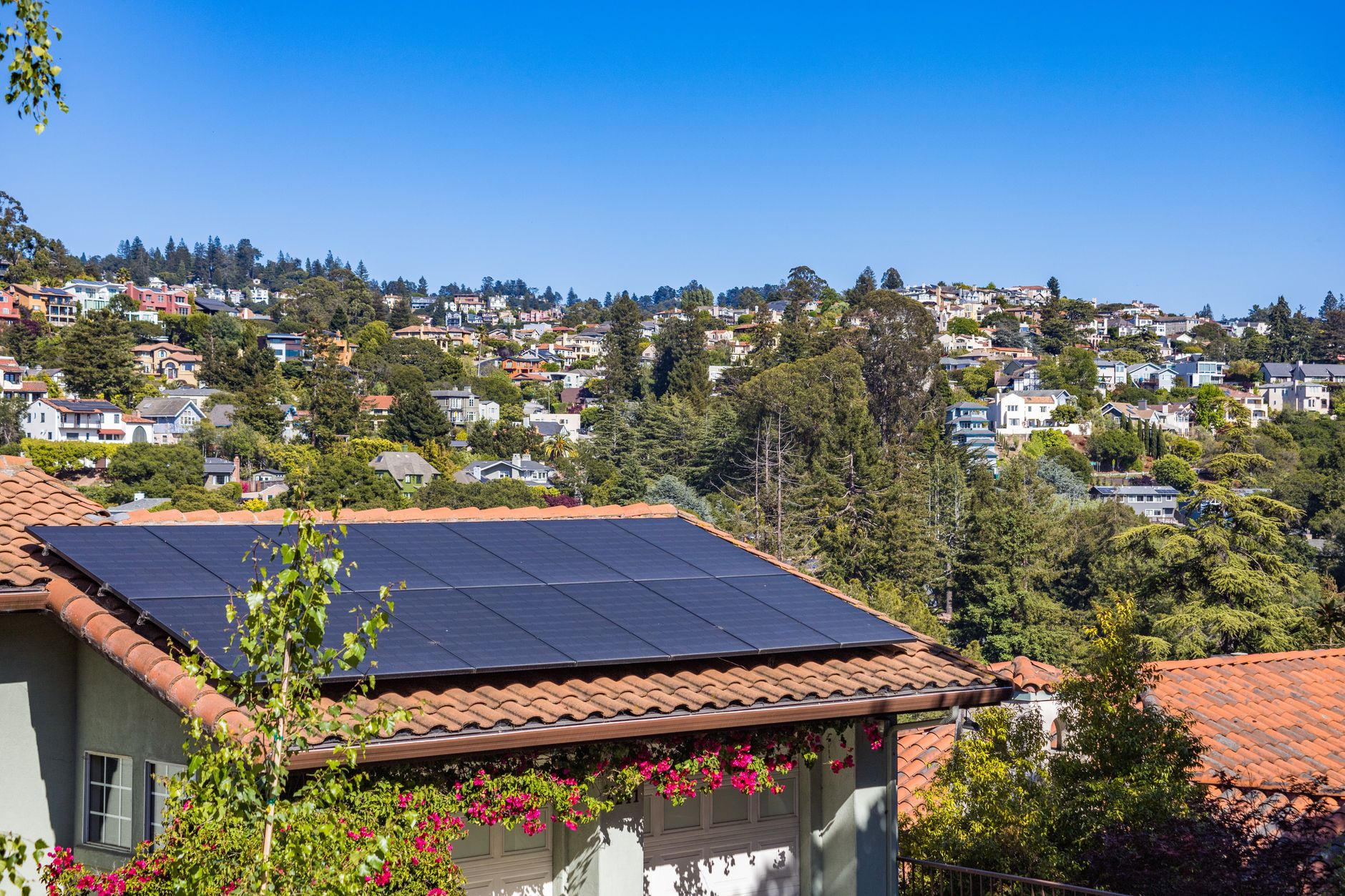
Home energy independence sits on a spectrum. At one end, you generate a small portion of your electricity with rooftop solar while staying connected to the grid. At the other end, you rely entirely on your own solar array, batteries, and backup generator. Most homeowners land somewhere in the middle. They want lower bills today and reliable backup when the grid fails.
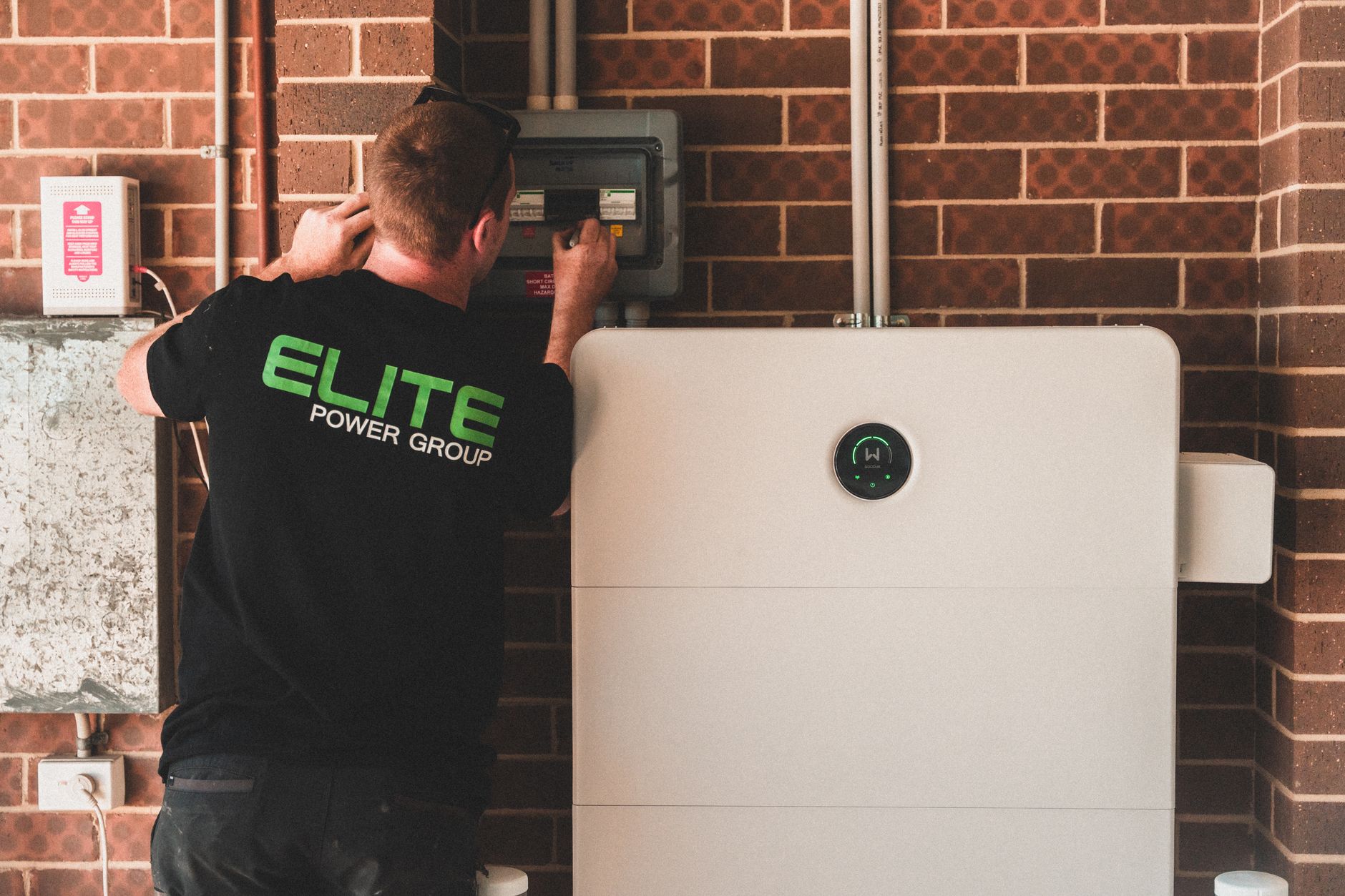
The core idea is ownership. Instead of renting every kilowatt-hour from a utility, you own the equipment that produces power. A solar array converts sunlight into direct current electricity. An inverter turns it into the alternating current your home uses. A home battery stores surplus daytime solar for nighttime use. A backup panel or transfer switch decides which circuits stay powered during an outage.
This shift does not always mean disconnecting from the utility. Many people stay connected for nighttime or cloudy days. They use the grid as a backup instead of their primary source. If you want full independence, you can go off-grid. That requires a larger solar array, more battery capacity, and often a generator for winter storms. Our guide on how to go off grid explains that process in detail.
- Grid-connected solar: you still buy some power but lower your bill.
- Solar plus storage: you bank extra power and run key loads during outages.
- Off-grid solar: you size for worst-case conditions and drop the utility entirely.
How Do Solar Panels Turn Sunlight Into Usable Power?
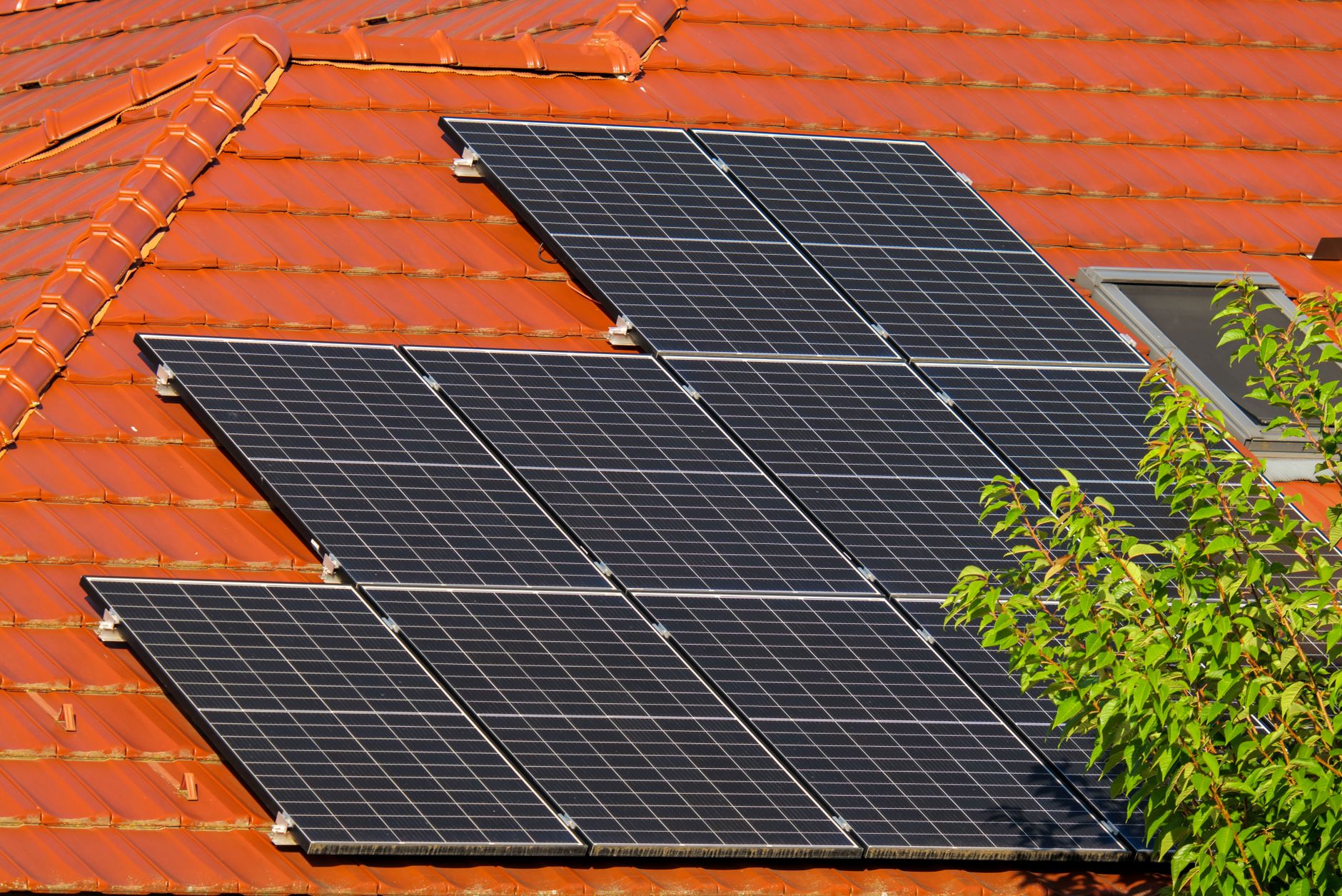
Solar panels use photovoltaic cells, usually made from silicon. When sunlight hits those cells, it knocks electrons loose. That creates direct current electricity. The amount of power depends on panel size, efficiency, orientation, shade, and your local solar resource.
An inverter then converts DC power to AC power. In modern systems, microinverters attach to each panel. String inverters handle power from multiple panels. Hybrid inverters combine solar, battery, and grid connections in one unit. We cover the top equipment choices in our guide to the best solar panels for home in 2026.
The National Renewable Energy Laboratory estimates that rooftop solar on suitable U.S. buildings could produce nearly 40 percent of current national electricity sales. That does not mean every roof can do this. Shade, roof age, and local rules matter. But the technical potential is large. Pairing panels with a battery allows you to store the midday peak and use it later.
- Monocrystalline panels: high efficiency and common for homes.
- Microinverters or DC optimizers: reduce shade losses.
- Net metering: credits for surplus power sent to the grid.
What Role Do Batteries Play in Home Energy Independence?
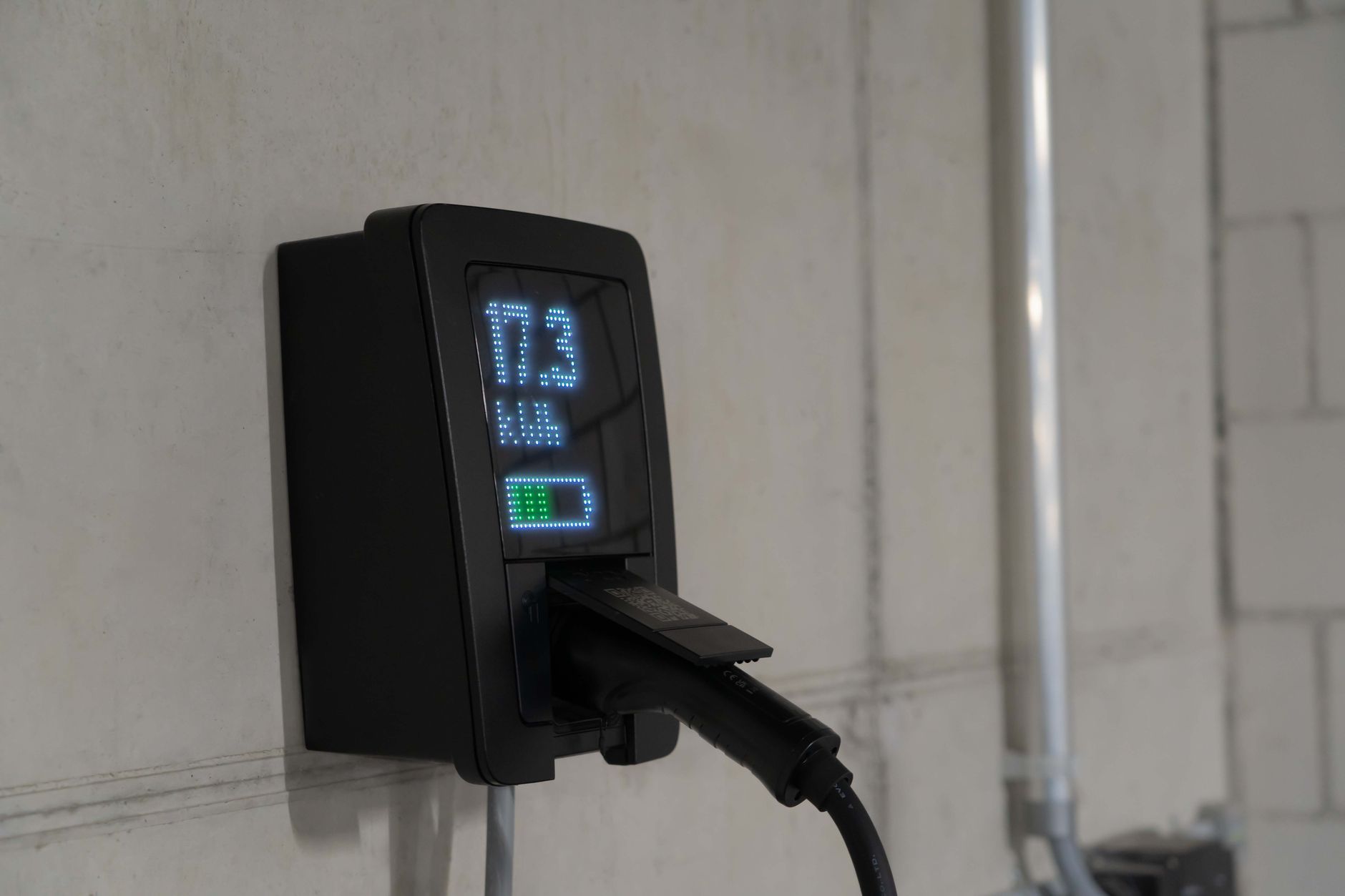
Solar panels only make power when the sun shines. A home battery changes that. It stores excess daytime generation and releases it in the evening, during cloudy stretches, or during an outage. Batteries also let you shift loads to avoid high time-of-use rates. In some areas, you can even export stored power back to the grid.
The U.S. Department of Energy reports that lithium-ion battery pack prices fell about 89 percent between 2010 and 2020. That decline has made whole-home storage far more practical. Modern lithium iron phosphate batteries are safer, longer-lasting, and better suited for daily cycling than older lead-acid options. A well-sized battery can run a refrigerator, lights, Wi-Fi, and a furnace blower for hours.
Choosing the right battery is not just about kilowatt-hours. You also need to consider peak power output, continuous output, chemistry, warranty, and compatibility with your inverter. Our best whole-home batteries for 2026 guide compares top models. To figure out how much capacity you need, start with your critical loads and outage goals. A licensed electrician can model your home’s loads and recommend a system that will not leave you short.
- Time-of-use savings
- Emergency backup
- Solar self-consumption
- Grid services participation
What Does a Whole-Home Backup System Include?
A whole-home backup system is more than solar panels and a battery. It includes the hardware that safely connects your power sources to your electrical panel. For most homes, the essential pieces are the solar array, inverter, battery, transfer switch or backup panel, and a monitoring system.
The inverter is the brain. A hybrid inverter manages power flow between the solar array, battery, grid, and home loads. It decides when to charge the battery and when to draw from it. Without the right inverter, you cannot island your home during an outage. You can learn more in our article on what a hybrid inverter is.
A transfer switch or automatic transfer switch isolates your home from the grid when utility power fails. This protects line workers from backfeed. A critical loads panel keeps essential circuits separate from large loads that would drain a battery too fast. Some newer systems use a smart electrical panel or home energy management system instead. It can shed heavy loads automatically and extend your backup runtime.
Generators can also be part of the picture. A small standby generator can recharge batteries during long outages or cover large loads that batteries cannot handle. But generators require fuel, maintenance, and safe placement to avoid carbon monoxide. Always have a licensed electrician install any transfer switch or backup panel. This is not a DIY electrical project.
How Much Does Home Energy Independence Cost?
The total price depends on system size, roof condition, battery capacity, local labor rates, and whether you stay grid-connected. A modest grid-tied solar array may cost $10,000 to $20,000 after incentives. Adding a whole-home battery can add $8,000 to $20,000 or more. Off-grid systems often cost more because you need larger arrays and more storage to cover the worst week of winter. Get multiple quotes and compare cash price, financing, and warranty. Our guide to solar costs in 2026 breaks down typical pricing.
The federal solar investment tax credit can reduce the cost of solar and battery storage by 30 percent when the battery is charged by solar. Other state and utility incentives can lower the cost further. Our solar tax credit guide explains eligibility and how to claim it. Do not assume the sticker price is what you will pay.
Long-term savings depend on your local electricity rate, net metering policy, and how much solar you use on site. If your utility offers full retail net metering, your savings will be higher. If you live in an area with low export rates or no net metering, you may need a battery to capture more value. A well-designed system can pay for itself in 8 to 12 years in many parts of the country. Some homeowners value resilience more than payback, and that is a valid reason to invest.
Should You Stay Grid-Connected or Go Fully Off-Grid?
Most homeowners should stay grid-connected, at least at first. A grid connection gives you unlimited energy on cloudy weeks. You avoid sizing your solar and battery for the absolute worst conditions. You also can use net metering to get credits for surplus summer generation.
Going fully off-grid is a different engineering challenge. You need enough solar to cover winter demand, enough battery to ride through multiple cloudy days, and often a backup generator for extreme weather. Off-grid homes usually need larger electrical panels, careful load management, and lifestyle changes. Appliances that use a lot of power may need to run during sunny hours.
If your goal is resilience, a grid-connected system with battery backup often delivers most of the benefit at far lower cost. You still have the grid as a fallback. If your goal is complete independence, start by modeling your actual annual usage. Then design for the worst month, not the average month. This usually means a professional energy audit and detailed load calculations.
A middle path is to start with solar and a battery, keep the grid, and then expand later. This lets you learn how your home uses energy. You can always add more panels or battery capacity after the first year. For many people, that is the most practical route to owning more of your electricity.
Frequently Asked Questions
What does home energy independence mean?
It means generating and storing more of your own electricity on site so you rely less on the utility. You can stay connected or go fully off-grid.
Can I go off-grid with solar and a battery?
Yes, but off-grid systems require careful sizing for the worst season. Most off-grid homes include a backup generator for long cloudy stretches and winter storms.
How much does a home solar and battery system cost?
A grid-tied solar array may cost $10,000 to $20,000 after incentives. Adding a whole-home battery can bring the total to $20,000 to $40,000 or more depending on capacity and labor.
Will solar panels work during a power outage?
Solar panels alone usually shut off during an outage for safety. With a battery and a proper transfer switch, your system can island and keep essential circuits running.
Do I need a generator if I have a home battery?
Not always, but a generator can help in long outages or off-grid homes. It provides backup charging and covers large loads a battery cannot sustain.
Is a home battery worth it if my utility has net metering?
It can still help by shifting solar energy away from low-value export hours and keeping your lights on during outages. The value depends on your rate plan and backup goals.
What Should You Remember?
- Home energy independence is a spectrum from grid-tied solar to fully off-grid power.
- Rooftop solar can generate a large share of your electricity, but it works best with storage.
- Home batteries store daytime solar and provide outage backup without fuel or noise.
- Whole-home backup requires a hybrid inverter, transfer switch, and licensed installation.
- Federal incentives can cut solar and battery costs by 30 percent.
- Grid-connected systems often provide the best balance of savings and resilience.
- Start with an energy audit and real usage data before sizing any system.
This article is for general information only. Home energy systems involve high-voltage electrical work, building codes, permits, and in some cases utility interconnection approvals , always consult a licensed electrician and your local authority before making purchase or installation decisions. Product specs, pricing, and incentives (including tax credits and net metering) change frequently; verify current details with the manufacturer and your utility.