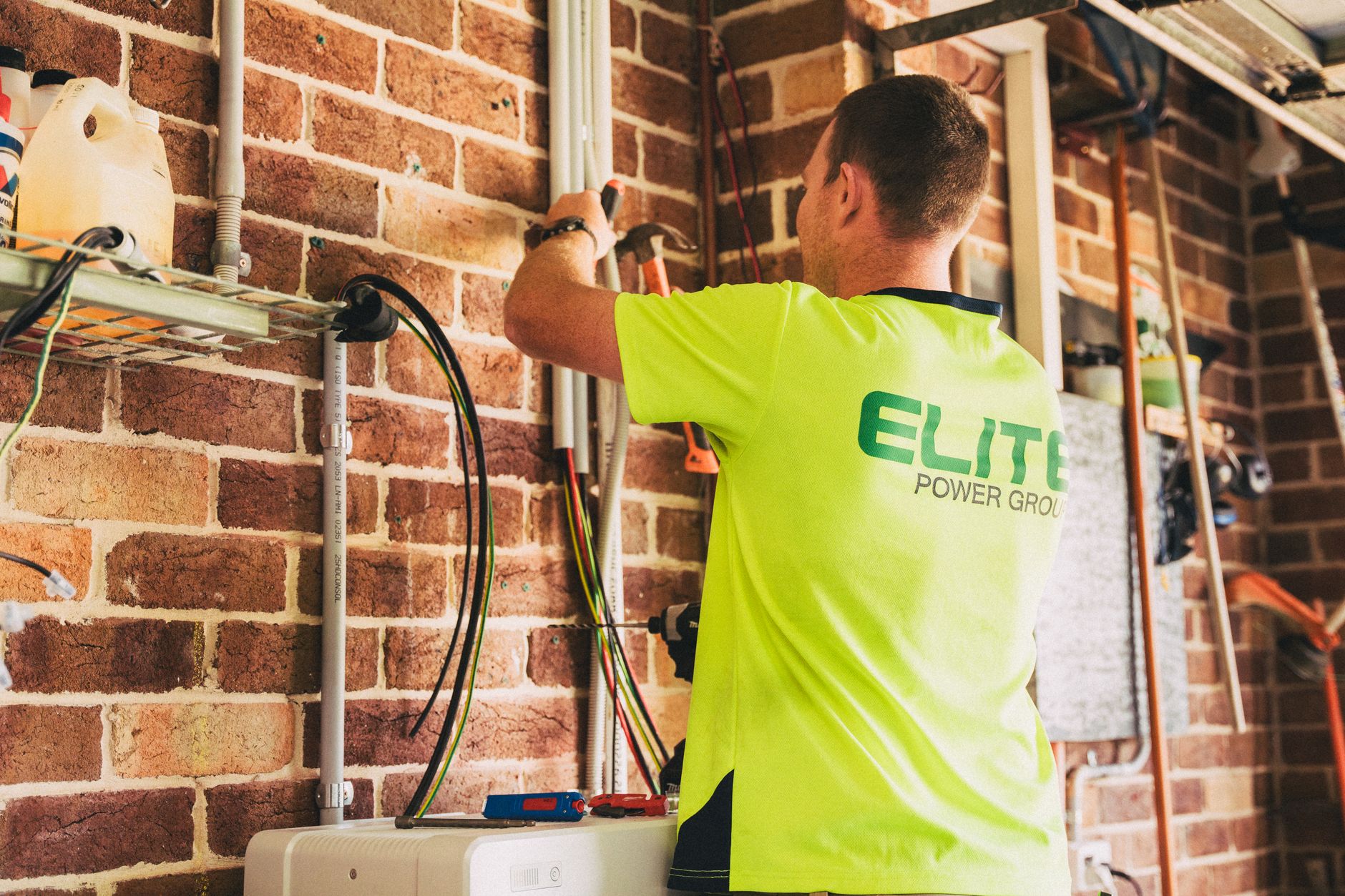
A 10 kW solar system sits in the middle of the market and at the sweet spot for most houses. Twenty five panels at 400 W each, or 22 at 450 W, fit on a typical south facing roof and produce roughly 12,000 to 16,000 kWh per year. According to NREL performance data, 1 kW of installed solar in the United States yields about 1,200 to 1,600 kWh annually, depending on latitude, tilt, and shade. The average American home uses close to 10,500 kWh a year. That is why a 10 kW array covers most households with enough headroom left to charge a car. What a 10 kW system does not decide is how your house behaves during a blackout. That job belongs to the battery and the inverter behind it.
Four decisions shape both the price and the outcome. Inverter type, storage capacity, backup scope, and the utility rules that govern exported power. Get the first three right and the fourth becomes a formality. Miss on storage and you own a system that saves money every month but leaves you in the dark every storm. Installed cost per watt has moved around a lot since 2022, and incentives shift with it, so check our 10 kW solar cost breakdown before you compare bids. Read your net metering rules even earlier, because export rates now drive payback in a growing number of states.
Code matters more than most buyers expect. Rooftop arrays must include rapid shutdown under NEC 690.12, which de-energizes conductors near the array for firefighter safety. Home batteries need UL 9540 listing, and inverters need UL 1741. Interconnection follows NEC 705.12, and your utility inspects before it approves a parallel connection. EnergySage keeps a plain-English walkthrough of these requirements and the permitting sequence. Skipping any of it does not just risk a failed inspection. It risks a fire, a denied insurance claim, and a system the utility refuses to energize.
I compared five ways to build a 10 kW system using the numbers that decide whether you stay powered. Continuous output in watts, usable battery capacity in kWh, surge capability for motor loads, install complexity, expansion path, and who is legally allowed to touch the wiring. Every configuration below can be installed safely and legally. They cost different amounts and behave very differently at 2 a.m. during a storm, which is the only test that really counts.
How Do the Top Options Compare?
| Configuration | Best for | Inverter setup | Usable storage | Backup scope | Check price |
|---|---|---|---|---|---|
| Enphase IQ8 microinverters + IQ Battery 5P | Shaded or complex roofs | 25 microinverters, 290 VA each | 5 kWh per unit, stackable | Whole home with enough units | Check price |
| Tesla Powerwall 3 + 10 kW solar | Simple whole-home backup | Integrated, 6 MPPT inputs | 13.5 kWh per unit | Whole home automatically | Check price |
| EG4 18kPV hybrid + rack batteries | DIY value and off-grid ready | Hybrid, 12 kW AC output | About 30 kWh | Whole home through critical loads panel | Check price |
| EcoFlow DELTA Pro Ultra + Smart Home Panel 2 | Modular, movable backup | AC coupled, 7.2 kW output | 6 kWh per unit, up to 90 kWh | Up to 12 branch circuits | Check price |
| 10 kW off-grid ground mount kit | Full energy independence | Hybrid, 10 to 12 kW | 30 to 60 kWh | Whole home, no utility | Check price |
Storage figures are usable capacity, not nameplate. A grid-tied 10 kW system with a plain string inverter and no battery is still the cheapest way to cut a bill, and its value depends entirely on your utility’s export rules. For context, a 22 kW air-cooled standby generator runs at about 67 dBA at 23 feet and burns roughly 2 to 3.5 gallons of propane per hour depending on load, while a battery-backed system is silent and stores no fuel. Every configuration here needs a permit, an inspection, and a licensed electrician for the interconnection and rapid shutdown work.
1. Enphase IQ8 Microinverters With IQ Battery 5P , Best for Shaded Roofs and Panel-Level Monitoring
A 10 kW Enphase system is not one big box on the wall. It is 24 to 26 microinverters mounted under the modules, one per panel. Each IQ8+ delivers 290 VA continuous and 349 VA peak, so a 25 panel array behaves like 25 tiny power plants instead of one 10,000 W string. Shade one panel and you lose one panel. Shade a string array and you can lose a whole series until the electronics compensate. That difference shows up on real roofs, the kind with a chimney, a vent stack, and a maple tree on the south side.
On the storage side, the IQ Battery 5P holds 5 kWh usable and puts out 3.84 kW continuous. Three units give you 15 kWh and about 11.5 kW, enough to carry a normal house load plus a soft-start air conditioner. Expansion is modular, so you can start with one battery and add another in a few years. Module level rapid shutdown is built into the microinverters, which satisfies NEC 690.12 without extra hardware on the rail. Pair the array with 400 W to 440 W modules and you land near 25 panels for a full 10 kW. Our best solar panels guide covers which modules pair cleanly with IQ8 hardware.
The catch is price and service. Microinverters cost more per watt than a single string inverter, and you have 25 electronic devices sitting in the weather instead of one. Enphase sells through certified installers, so this is not a weekend DIY project. Monitoring is the strongest part of the package. You can watch per panel production in the app and spot a failed unit in minutes, and if one micro fails the other 24 keep working until the replacement arrives. That resilience is the trade you make for the higher upfront number.
Key strengths:
- ✅ Shade tolerance that string systems cannot match, because every panel runs its own MPPT.
- ✅ Panel-level monitoring shows exactly which module is underperforming.
- ✅ Module-level rapid shutdown comes standard, so NEC 690.12 compliance needs no added hardware.
- ✅ Battery expansion in 5 kWh steps, and the storage is AC coupled so you can add it years later.
- ✅ One failed microinverter does not take the array offline.
- ❌ Higher cost per watt than a string inverter or a hybrid inverter build.
- ❌ Installer-only distribution makes DIY unrealistic for most homeowners.
- ❌ Dozens of devices on the roof mean more failure points and more roof trips over a 25 year life.
Who it’s for: Choose Enphase if your roof has shade, multiple planes, or you want per-panel data and storage you can grow in 5 kWh steps.
2. Tesla Powerwall 3 With a 10 kW Solar Array , Best for Simple Whole-Home Backup
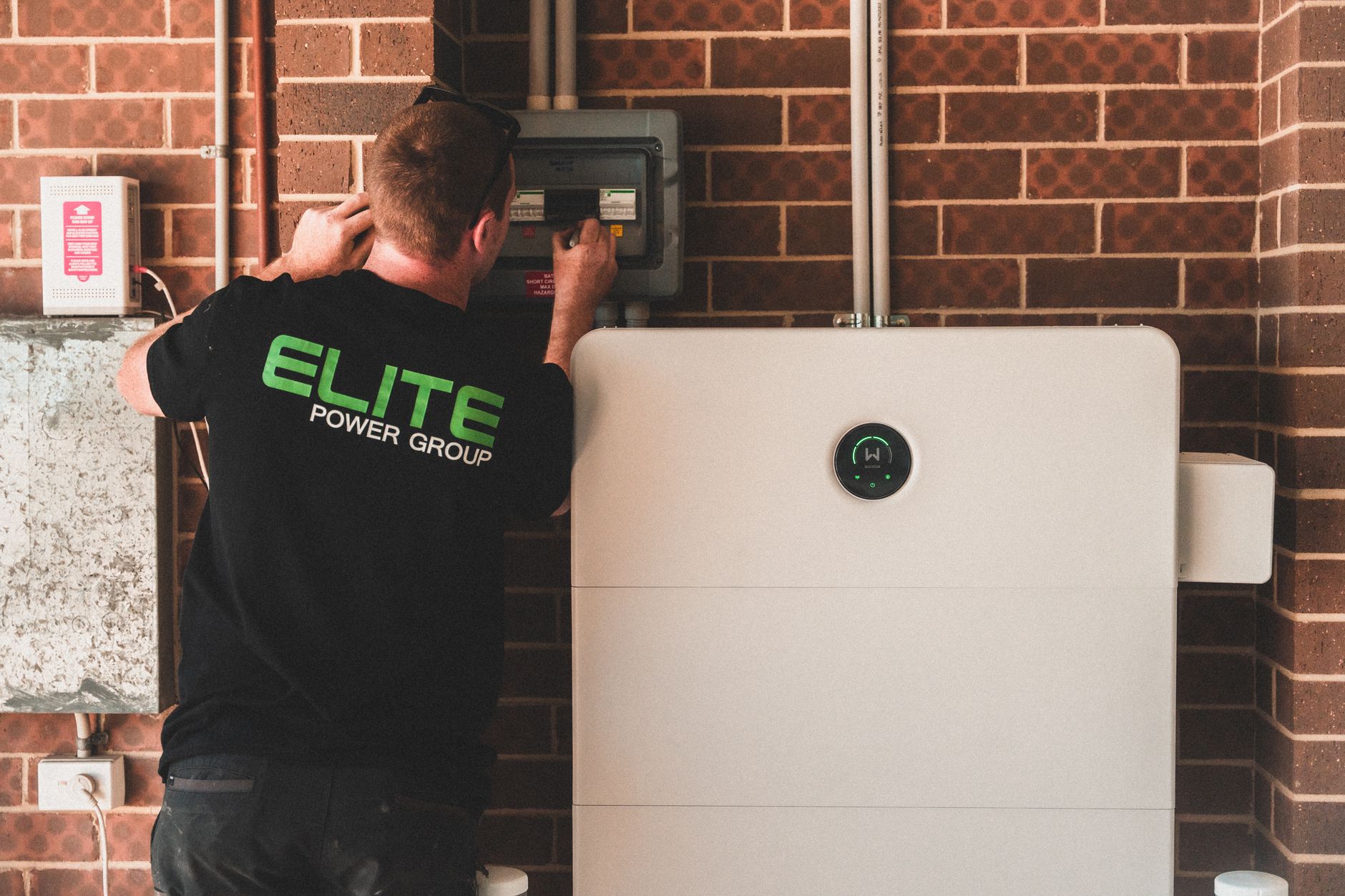
Powerwall 3 collapsed three boxes into one. The unit contains a 13.5 kWh battery, a solar inverter with six MPPT inputs, and the backup gateway logic in a single 11.5 kW enclosure. Six MPPT inputs accept up to 20 kW of DC solar, so a 10 kW array wires straight into the battery. There is no separate string inverter on the wall, which means fewer parts, fewer failure points, and a cleaner install in the garage.
Backup power is why most people buy it. At 11.5 kW continuous, one unit carries a full house load, including a 3 ton air conditioner with a soft start kit, and it does it with no generator running outside. Runtime depends on your load. A 1,000 W average draw runs about 11 hours on one unit after conversion losses, and a 500 W overnight load stretches past 20 hours. Add a second unit and you cover a multi-day outage without touching a fuel can. Our how to size a home battery walkthrough shows the math for your own breaker panel.
Two drawbacks deserve attention before you sign. Tesla controls the installer network, so you cannot buy a Powerwall 3 and wire it yourself. Second, 13.5 kWh disappears fast when a heat pump and an EV charger are in the picture. Most 10 kW owners who want true whole-home backup end up with two units, which doubles the battery line item. Plan capacity at the start, because stacking later means another permit, another inspection, and a second service visit.
Key strengths:
- ✅ One box acts as solar inverter, battery, and backup gateway, which trims hardware and labor.
- ✅ 11.5 kW of continuous output runs a full home load, including central air with a soft start kit.
- ✅ Six MPPT inputs accept up to 20 kW of DC solar, leaving headroom for a future array.
- ✅ Whole-home backup happens automatically, with no extension cords and no fuel storage.
- ✅ The app is simple enough that a non-technical owner can read state of charge at a glance.
- ❌ Installer-only purchase, so there is no DIY path and pricing varies by region.
- ❌ 13.5 kWh per unit is thin for multi-day outages with heat pumps or EV charging.
- ❌ Adding a second unit later costs more than buying both at the same time.
Who it’s for: Best for homeowners who want one integrated box, whole-home backup, and no fuel or noise, and who are fine with a certified installer doing the work.
3. EG4 18kPV Hybrid Inverter With 48V Rack Batteries , Best Value for DIY and Off-Grid Capable Builds
The EG4 18kPV is the value play in this comparison. It handles 18 kW of PV input and 12 kW of continuous AC output from a 48 V battery bank. A 10 kW array sits comfortably inside that range, and the inverter runs your main panel through a large AC pass-through while the grid is up. When the grid drops, it islands and keeps the critical loads panel alive. It also runs with no grid at all, which is why off-grid builds use the same hardware with a different configuration.
Storage is where the savings appear. Server rack LiFePO4 batteries hold about 5.12 kWh each, so six of them give you roughly 30 kWh. At 90 percent depth of discharge that is about 27 kWh usable, or 22 hours of a steady 1,200 W load. Compare that runtime to a 13.5 kWh wall unit and the appeal is obvious. The catch is that you are assembling a system, not buying an appliance. Cables, a critical loads panel, breakers, and a shunt come from different vendors. Read our hybrid inverter explainer before you order parts.
Every part of this build touches line voltage. A licensed electrician should do the panel work, the transfer equipment, and the rapid shutdown wiring, and your inspector will verify it. Some jurisdictions have never seen EG4 gear, so bring the UL 1741 and UL 9540 listings to the permit counter. Done right, this route delivers more storage per dollar than any branded wall battery. Done wrong, it is a fire risk and a failed inspection. Check the EG4 18kPV hybrid inverter on Amazon to see current listings and buyer reviews.
Key strengths:
- ✅ Lowest cost per kWh of storage of any option here, especially with rack batteries.
- ✅ 18 kW of PV input and 12 kW of AC output leave room to grow past 10 kW later.
- ✅ Works grid-tied, grid-tied with backup, or fully off grid with no hardware swap.
- ✅ Repairable and upgradeable, because batteries and inverter are separate components.
- ✅ The large AC pass-through lets the grid carry heavy loads without draining the bank.
- ❌ Requires a licensed electrician plus permits, so labor adds up fast.
- ❌ Component sourcing is on you, and a mismatched cable or breaker set creates real risk.
- ❌ Some inspectors and utilities are unfamiliar with the equipment, which slows approvals.
Who it’s for: Best for hands-on owners with an electrician in the family who want maximum storage per dollar and off-grid capability.
4. EcoFlow DELTA Pro Ultra With Smart Home Panel 2 , Best Modular Backup You Can Move
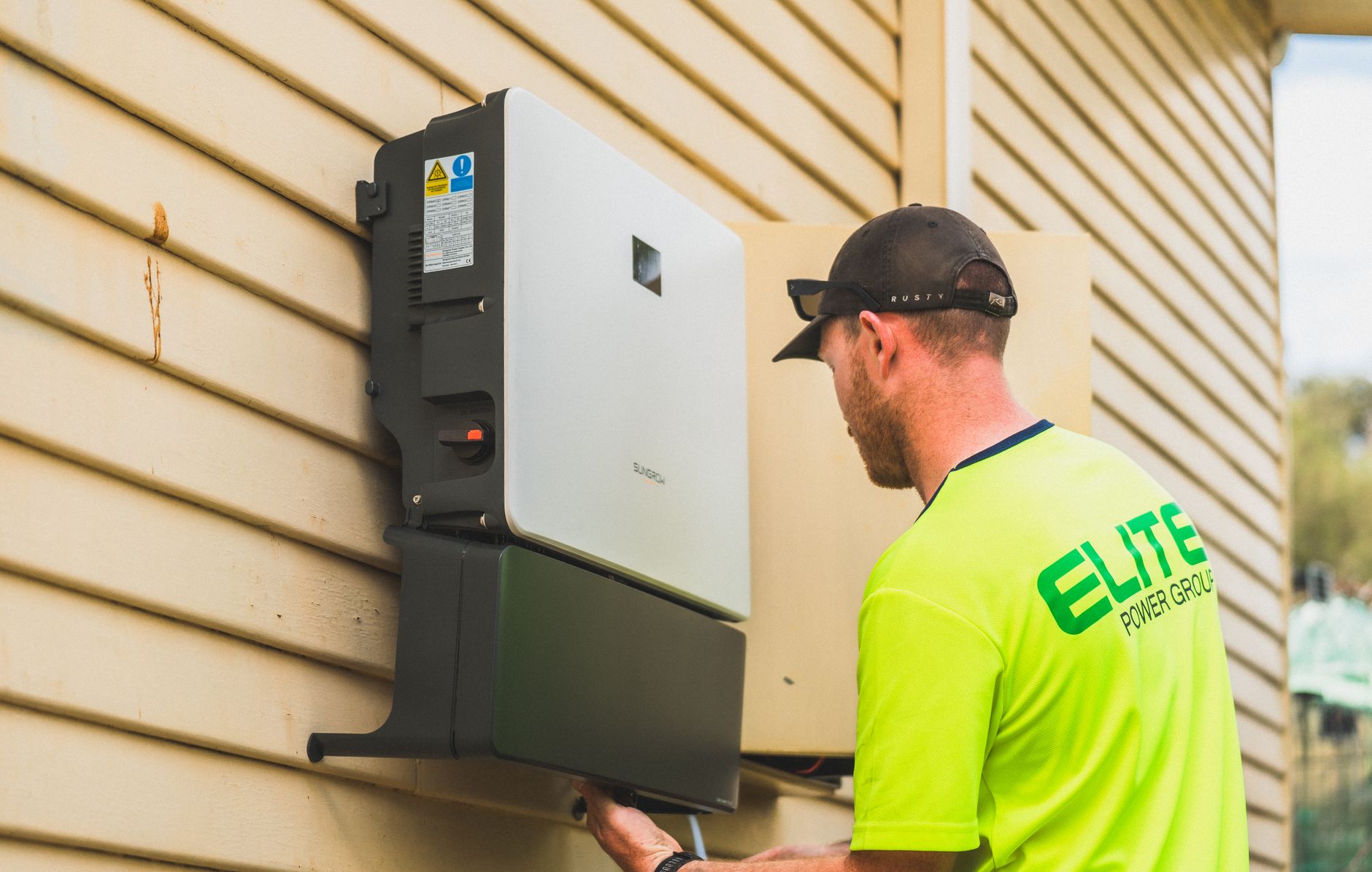
The DELTA Pro Ultra is a 6 kWh battery with 7.2 kW of AC output, and you can stack units up to 90 kWh. Paired with the Smart Home Panel 2, it switches up to 12 branch circuits in roughly 20 milliseconds, fast enough that clocks and computers do not blink. Nothing is hardwired to your roof. It is AC coupled, so it charges from an existing 10 kW solar system through the panel, and it works fine with no solar at all.
For a 10 kW owner, the appeal is flexibility. Move a unit to the garage for a project, take one camping, or leave the stack in place for storm season. LFP cells handle daily cycling, and the whole system expands in 6 kWh steps instead of committing to a fixed wall unit. If your goal is keeping the fridge, furnace blower, internet router, and a few lights alive for two days, this does it with less installation work than a hardwired battery. Check the EcoFlow DELTA Pro Ultra on Amazon for current kit options.
Be clear about what it is not. It is not whole-home backup. It powers the circuits you move to the Smart Home Panel, and 7.2 kW will not run a 4 ton air conditioner, an electric range, and an EV charger at the same time. Solar recharge through the panel is also slower than DC coupling into a Powerwall or an EG4 bank, because every conversion step loses a few percent. If you want the air conditioning to keep running through a July blackout with no load management, a hardwired battery is the better tool. If you want portable, expandable, and simple, this is it.
Key strengths:
- ✅ Portable units move between the house, the garage, and the campsite.
- ✅ 6 kWh steps make it easy to start small and expand toward 90 kWh.
- ✅ About 20 millisecond switchover keeps electronics and clocks running.
- ✅ AC coupling means no changes to your existing solar inverter.
- ✅ No combustion, no fuel storage, and no carbon monoxide risk.
- ❌ Circuit-level backup only, not whole-home service.
- ❌ 7.2 kW of output cannot start a large central AC without a soft start kit.
- ❌ Solar recharge is limited by AC coupling losses compared with a DC coupled battery.
Who it’s for: Best for owners who want expandable backup without a major electrical remodel and who value gear they can carry.
5. 10 kW Off-Grid Ground Mount Kit With 30 kWh Battery , Best for Full Energy Independence
Off grid changes the sizing rules. A 10 kW array is a starting point, not a guarantee, because December production in most of the country drops to 40 or 50 percent of June output. A 10 kW array that makes 45 to 50 kWh on a June day in the Northeast might make 15 to 25 kWh in December. Winter is the design case, and every component choice follows from it.
A typical kit includes 22 to 24 panels in the 450 W range, a 10 to 12 kW hybrid inverter or a pair of them, 30 to 60 kWh of LiFePO4 storage, charge controllers, combiner boxes, and ground mount racking. Runtime math is simple. A 30 kWh bank at 90 percent depth of discharge gives about 27 kWh usable. That runs a 1,200 W average load for 22 hours, or a 450 W essential load for two and a half days. Ground mounting also helps in snow country, because you can set a steep tilt and clear panels from the ground instead of a ladder.
Nobody with real off-grid experience relies on solar alone in January. Most systems keep a propane generator or a grid connection as a winter charging source, which brings fuel storage and carbon monoxide planning back into the picture. Batteries also age, and a 30 kWh bank will need replacement in 10 to 15 years. If you are weighing this path, our how to go off grid guide covers the seasonal math and the full equipment list. Check the 10kW off grid solar kit on Amazon to compare kit contents before you commit.
Key strengths:
- ✅ Full independence from the utility, with no interconnection agreement and no monthly bill.
- ✅ Ground mount racking allows optimal tilt and easy snow clearing.
- ✅ 30 kWh or more of storage carries essential loads for two days or longer.
- ✅ Equipment is modular, so batteries and inverters get replaced individually.
- ✅ Works on remote property where a utility line extension would cost a fortune.
- ❌ Highest upfront cost of any option here, with no utility to fall back on.
- ❌ Winter production can drop by half, so most owners still need a generator for cloudy stretches.
- ❌ Battery replacement every 10 to 15 years is a real, predictable expense.
Who it’s for: Best for rural property owners beyond the reach of affordable utility lines who want to stop paying for power entirely.
Paying for a 10 kW System: Incentives, Financing, and 2026 Rules
The federal residential clean energy credit covered 30 percent of solar and battery cost for years, and its status for systems placed in service in 2026 depends on current law and IRS guidance. Confirm the rules before you sign a contract, because the difference runs into thousands of dollars. The U.S. Department of Energy maintains consumer guidance on home energy incentives, and your state energy office will know about local programs that stack on top.
State and utility programs still matter. Rebates, property tax exemptions, and sales tax waivers exist in many states, and battery-specific incentives are common in places with wildfire or storm risk. Net metering rules decide what your exported power is worth, and those rules now change the payback math on a 10 kW array more than panel efficiency does.
Financing options run from home equity and solar loans to leases and power purchase agreements. Loans keep the tax credit in your hands. Leases and PPAs trade a lower upfront cost for a long contract and less control over the equipment. Cash, when you have it, still wins on total cost.
Frequently Asked Questions
How many panels do I need for a 10 kW solar system?
Plan on about 22 to 25 panels at 450 W, or 25 to 26 panels at 400 W. Higher wattage modules mean fewer roof penetrations, less racking, and faster installs.
How much electricity does a 10 kW system produce?
In the United States, 1 kW of installed solar yields roughly 1,200 to 1,600 kWh per year, so a 10 kW array lands near 12,000 to 16,000 kWh. The desert Southwest sits at the top of that range and the Pacific Northwest at the bottom.
Can a 10 kW solar system run a whole house?
Yes, with storage attached. A battery with 11.5 kW of continuous output can carry a typical home load, including central air conditioning with a soft start kit. Without a battery, the inverter shuts off during an outage under anti-islanding rules.
How many batteries do I need with a 10 kW system?
Most homeowners start with 10 to 20 kWh for basic outage coverage and move to 30 to 40 kWh for multi-day backup with a heat pump. Add up your critical loads in watts and multiply by the hours you want to cover.
Do I need a permit and inspection for solar and a battery?
Yes. Most jurisdictions require an electrical permit, a separate permit for roof or ground mount racking, and a utility interconnection agreement. A licensed electrician should handle the wiring, and the inspection is not optional.
Is a 10 kW system too big for net metering?
It depends on your utility. Some programs cap eligible system size at 100 or 110 percent of annual usage, and many have replaced full retail credits with lower export rates. Check the current tariff before you size up.
What Should You Remember?
- Size on annual kWh, not panel count. A 10 kW array makes roughly 12,000 to 16,000 kWh per year in the US, so match it to your last 12 months of usage.
- Choose the battery before the panels. Storage decides whether an outage is an inconvenience or a week in a hotel.
- Microinverters win on shade. Panel-level MPPT keeps the rest of the array producing when one module gets shaded.
- A hybrid inverter is the value path. An EG4 18kPV with rack batteries delivers more usable kWh per dollar, but the wiring is a licensed electrician job.
- Whole-home backup needs about 11.5 kW continuous. Check the surge rating on your air conditioner before you commit.
- Rapid shutdown is code, not an upgrade. NEC 690.12 applies to rooftop arrays, and listed equipment makes inspection day easier.
- Plan for December if you go off grid. Winter production can fall to half of June output, so most off-grid owners keep a backup charging source.
This article is for general information only. Home energy systems involve high-voltage electrical work, building codes, permits, and in some cases utility interconnection approvals , always consult a licensed electrician and your local authority before making purchase or installation decisions. Product specs, pricing, and incentives (including tax credits and net metering) change frequently; verify current details with the manufacturer and your utility.